Blog ·
Why Regular Maintenance Keeps Your Home Running Smoothly
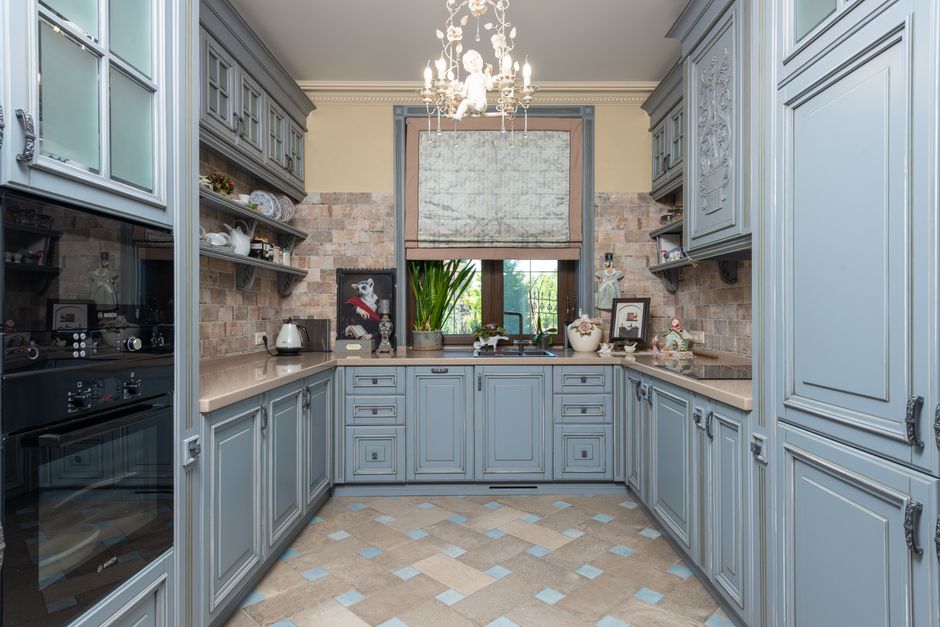
Many homeowners treat their home's core systems the way they treat their car—they ignore them until something breaks. But unlike a car, your home's primary systems run continuously, working to maintain comfort every single day. Regular maintenance isn't an optional expense; it's what prevents expensive failures and keeps everything operating at peak performance.
Think of maintenance as preventive care. A small issue caught during routine inspection takes minutes to address. That same issue, left unattended for months, can cascade into failures that require major repairs or replacement. The difference between a fifty-dollar adjustment and a five-thousand-dollar replacement often comes down to whether maintenance happened on schedule.
What Regular Maintenance Accomplishes
Routine maintenance keeps your system calibrated correctly. Over time, components shift slightly, connections loosen, and internal mechanisms drift from their optimal settings. These changes happen gradually and invisibly. Your system still operates—it just operates less efficiently, working harder to deliver the same results. Regular checks reset these calibrations, ensuring precision performance.
Maintenance also identifies wear patterns before they become failures. Technicians understand what normal wear looks like versus what indicates a developing problem. They spot corrosion early, notice vibrations that suggest component stress, and catch electrical issues before they cause shutdowns.
Additionally, regular maintenance maintains your system's warranty coverage. Many warranties require documented maintenance to remain valid. If your system fails and you haven't maintained it according to specifications, warranty protection may not apply when you need it most.
Creating a Maintenance Schedule
The ideal maintenance schedule depends on your system's age, usage patterns, and local climate conditions. Newer systems might need less frequent attention, while older systems benefit from more regular checks. Systems in harsh climates or those running year-round require different schedules than seasonal systems.
A qualified technician can recommend the right maintenance frequency for your specific situation. This might mean annual checks, twice-yearly inspections, or quarterly maintenance depending on your circumstances.
Regular maintenance is an investment in reliability and efficiency. It costs significantly less than emergency repairs and extends the life of your equipment. More importantly, it ensures your home maintains consistent, precise comfort without unexpected failures interrupting your daily life.